Thursday, December 30, 2021

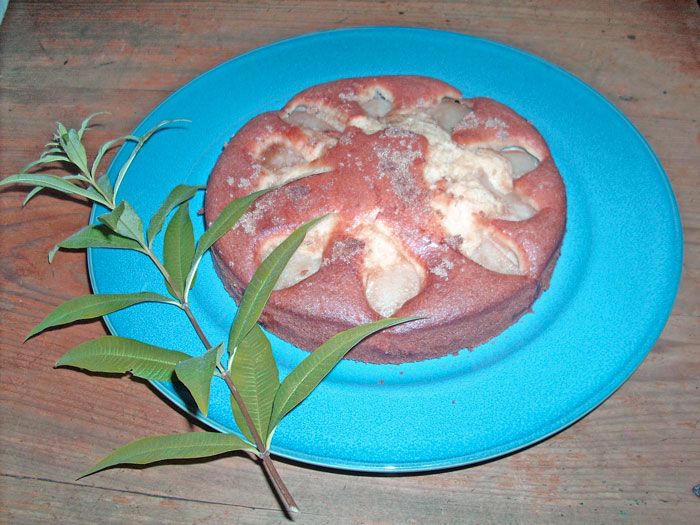
Quick pear cake

A one-bowi wonder, adaptable to many fresh or bottled such as plums, apricots or apples. You may think it's a lot of powder (as I did) but it seems to need the oomph -to hold up the fruit.

INGREDIENTS
150g icing sugar
150g softened butter
150g plain flour
3 eggs
1 tbsp baking powder
dash vanilla essence
2 pears
white, raw, brown or coffee sugar, for sprinkling

METHOD

Preheat oven to 200C.
Combine all ingredients except fruit and additional sugar in a bowl or food processor until creamy and pale.
Spoon into a greased 20cm tin (springform if you have one).
Peel and quarter pears. Layer gently on top of the batter and bake for about 45 minutes or until cooked. Sprinkle sugar over after about 20 minutes. If the cake is browning too quickly cover with tin foil.

Tuesday, November 1, 2011

Pork Provençale


This is a tasty and delicious way of cooking pork, I leave the pork in large pieces which are then cooked for an hour and a half so that they are very tender. This dish is best served with rice or couscous.

1kg pork shoulder
1 eggplant
1 zucchini
1 red pepper, chopped
1 medium brown onion, chopped
2 garlic cloves, chopped
1 400g can tomatoes
2 tsp thyme
1 tsp smoked paprika (piménton)
⅓ tsp chilli powder
100ml chicken stock
salt and freshly ground black pepper
100ml white wine
pitted black olives

Chop the pork into 4cm cubes and lightly brown the pork in batches. Remove the pork from the pan and set aside,

Sweat the red pepper in the pan over a low heat. After about 5 minutes, add the onion and cook gently until the onions softens. Add the garlic and some sea salt and cook, stirring for a minute. Add the paprika, chilli powder and thyme.

Now add the can of tomatoes with the tomatoes chopped or crushed, white wine and the chicken stock. Add the pork to the pan, bring to a gentle simmer, cover and cook for 1½  hours or until the pork is very tender.

Meanwhile cut the eggplant into 2cm slices, and then these into quarters.  Heat 60ml olive oil in a heavy based frying pan and fry the eggplant in batches until golden brown on all sides, Drain on a paper towel and set aside.

About 10 minutes before serving, slice the zucchini and add the the pan. Then just before serving, add the eggplant and heat for 2 minutes so the eggplant is heated through. Garnish with pitted black olives.

Cook for approximately 1 1/2 hours on a low heat.

Serves 4 

Tuesday, April 26, 2011

Pear Cake


This recipe is very quick to make since it can be made almost entirely in a food-processor. It is great to have in your repertoire for when unexpected guests call.

INGREDIENTS
100g icing sugar
150g softened butter
100g plain flour
50g almond meal
3 eggs
1 tbsp baking powder
1/2 tsp vanilla essence
1/2 tsp rosewater or orange water
2 pears
brown sugar for sprinkling after cooking (although any sugar you have to hand will do).

METHOD

Preheat the oven to 200°C. Now add all of the ingredients with the exception of the pears and additional sugar into a food processor and blitz until the mixture is pale and creamy.
Spoon the mixture into a greased 20cm tin (preferably spring form if you have one).
Peel and quarter pears. Layer gently on top of the mixture and bake for about 45 minutes or until cooked. Sprinkle sugar over after about 20 minutes. If the cake is browning too quickly cover with tin foil.

Tuesday, March 22, 2011

Marinated Mussel Salad

One of my favorite dishes is marinated mussels. The method is very simple and quick. At certain times of the year mussels are fat and juicy and then they make an excellent meal.

First of all, clean the mussels and then open them in a hot pan. I just cook them in the pan without placing any liquid in it. This seems to keep the mussels plumper than if they were cooked in wine, for example. Simply heat the pan until it is hot and then add the cleaned mussels. Put on a lid and shake the pan from time to time. The mussels will cook in 2 or 3 minutes. Meanwhile prepare a suitable marinade. After the mussels are opened, remove the mussels from the shells and cool them slightly. Allow the cooking liquid drain off them. Then add the mussels to the marinade. The mussels may be eaten warm or cooled in the refrigerator. I prefer the mussels served still warm  served with a green salad. However, if you like, they make a great stand-alone 'tapas' dish.

You need:
1kg of opened and shelled mussels

For the marinade
3 tsp red wine vinegar
1 tbsp olive oil
1 tsp smoked paprika
1 clove of garlic, minced
6 sprigs of parsley, chopped finely
2 tsp chopped oregano or other chopped hebs
1/4 tsp chilli flakes

Tuesday, February 22, 2011

Stuffed Zucchini Flowers with Ricotta Cheese


We grow zucchini flowers in our garden over summer just for this dish. The special zucchini flower seeds which we use seem to grow mainly male flowers so there are usually quite a lot of flowers each day to pick. In this dish the flowers are filled with ricotta cheese which has been mixed with fresh oregano from the garden and then steamed. The flowers are served in a butter sauce with pine-nut sauce. They flowers are one of my favourite entrees which are why we grow the zucchini flowers.

around 12 zucchini flowers
a small bunch of fresh oregano, chopped
200g ricotta preferably from a tub of fresh ricotta
50g butter
olive oil
1 tbsp pine nuts, toasted
the juice of 1 lemon

Remove the stamens from inside the flowers and trim the ends. Mix the oregano with the ricotta cheese and season with salt and pepper. Put the mixture into a small plastic sandwich bag and trim of the corner of the bag with a pair of scissors to make a piping bag. Pipe the ricotta mixture into each of the zucchini flowers and seal each flower by twisting the end. Place in a vessel to steam the flowers, drizzling a little olive oil over the flowers. I use a metal colander placed over boiling water in a saucepan and covered with a lid for steaming the flowers.
Steam the flowers for 4 minutes and then place the flowers on a serving plate.
Meanwhile heat the butter in a small pan until it is golden and foaming. Add the pine nuts and the juice of the squeezed lemon. Pour gently over the zucchini flowers and serve immediately.

Sunday, February 20, 2011

Garlic Prawns

This is one of my favourite dishes. A Spanish-style dish, it combines the seafood taste of prawns with the a sauce based on garlic and paprika.


a good "glug" of olive oil
3/4 - 1 kg prawns
3-6 garlic cloves, finely chopped - add more if you like garlic
2 tbsp fresh lemon juice
1/2 cup of white wine
1 tsp smoked paprika
1⁄2 tsp chilli pepper (to taste)
4 tbsp Italian parsley, chopped
salt and fresh ground pepper
  • Peel and devein the prawns.
  • In a wide, shallow pan over high heat, heat the olive oil; add the prawns, then add the garlic and sauté quickly for about 2-3 minutes.Add the garlic at a point when the prawns are half cooked so they garlic doesn't blacken.
  • Add the lemon juice, paprika, chilli pepper, wine and salt and pepper to taste. Adjust all of these to your liking.
  • Finally, transfer the garlic prawns to a warmed serving dish, sprinkle with the chopped parsley and serve at once.

Sunday, January 30, 2011

Italian Style Boned and Stuffed Chicken Legs

While this recipe is fairly inexpensive, boning the chicken legs is time consuming and not without difficulty. Start at the top of the leg and work the flesh off the bone.  If you wish, you can use pancetta instead of jamón, in which case you will need about 8 - 10 slices of thin pancetta.


6 chicken legs (about 2kg)
4 thin slices of jamón or prosciutto
3 tbsp grated parmesan cheese
1 tbsp butter
2 cloves garlic
about 10 leaves of sage
rosemary
50 ml olive oil
100ml white wine
Salt & Pepper


Skin and bone the chicken legs without cutting into them too much. Start at the top of the leg and work the flesh off the bone using a sharp knife.  Don't worry about any holes which appear in the chicken flesh, they can be hidden when the chicken leg is rolled. The most difficult part is getting the flesh away from the joint, just be patient!!

Place the garlic, rosemary and sage  in a food processor and chop  finely. Chop the jamón with a knife and mix with the finely chopped herbs and grated parmesan. Place some of this mixture in each of the boned chicken legs and roll up, tieing each roll with string.

Heat the butter and the oil in a pan and brown the chicken rolls on all sides. Add the white wine, cover and cook for around 40 minutes.

Remove the string from the chicken rolls, lay the rolls out on a platter, spooning some of the sauce over the assembled rolls, and serve.

Alternatively, cool the chicken rolls, then chill them. Then slice each roll into 3 mm slices and spread on a platter for a great cold dish which is just as good.

Tuesday, January 11, 2011

Barbecued Leg of Lamb

As I mentioned in an earlier post, it is summer here in Australia, which of course is a good time for a barbecue, but then any time is a good time for a barbecue. One of my favourite summer meals is barbecued leg of lamb. I buy the lower half of the leg, and starting from the side of the leg with least meat, slice down the leg and then remove the bone so that I have have a triangular piece of meat left. I butterfly this so that it is about 4 or 5cm thick. If you wish you can butterfly a whole leg of lamb which would feed more people. Here is my recipe using quantities for half a leg.


1 half leg of lamb, about 1.2kg
3 garlic cloves
a knob of fresh ginger
grated rind of 1 lemon or lime
2 teaspoons ground cumin
3 teaspoons ground coriander
1 teaspoon smoked paprika
1/4 cup of olive oil

Remove the lamb from the refrigerator 1 hour before cooking.

Put the garlic,  ginger, cumin, coriander and paprika in a mortar and pound into a rough paste with the pestle. Add the grated rind of a lemon or lime and pound for a further minute, then stir in the olive oil and mix well. You can also process this in a food processor if you wish. Spread the marinade over the lamb by hand, working it in to the meat with your fingers, and leave about an hour for the flavours to infuse the lamb.

This lamb can be barbecued over a gas-fired barbecue grill, or better still, over a charcoal grill. When the barbecue is hot, put the lamb on. Cook for about 12 minutes on each side for medium rare. Put on a plate and cover withe foil. Rest in a warm place for 10 minutes before carving.

When the lamb has been rested, carve the meat into 5mm slices and serve.

I barbecued the lamb with some potatoes wrapped in foil. They are a delicious accompaniment!

Tuesday, January 4, 2011

Pork and Veal Terrine


It is summer here in Australia at the moment. It is good to have some cold meat for picnics or as an entrée and what could be better than a pork and veal terrine? It is easy to make, relatively inexpensive and most importantly, is delicious.

1 kg pork and veal mince
7 crushed juniper berries
10 lightly crushed black peppercorns
1⁄4 tsp mixed spice
1⁄4 tsp dried thyme
1 sprig rosemary, chopped finely
12 pistachios, chopped
4 chopped prunes
20ml dry white wine
 40ml brandy
50g chopped onions
1 clove chopped garlic
1⁄2 tsp salt
3 short-cut rashers of bacon, chopped

Sprinkle the chopped prunes with a small amount of the wine and brandy. Set the prunes and chopped bacon aside. Now mix together everything except the chopped prunes and bacon. Leave the mixture in a covered basin in the fridge for at least two hours for the flavours to be absorbed in the terrine.

Place half the mixture in an unbuttered terrine. Now sprinkle the bacon and prunes on top of this to form another layer. Finally place another layer of terrine mixture in the dish.

Place the terrine in a baking dish filled with water and cook at 150°C for 1 1⁄4 to 1 1⁄2 hours. The terrine is cooked when it comes away from the side of the dish.

Sunday, January 2, 2011

Pimentón Spiced Pork Kebabs

I love Spanish chorizo. Recently, when I bought some pork mince, I decided to spice the pork with pimentón (Spanish paprika) and make some kebabs which taste similar to fresh chorizo. Here is my recipe.

1kg pork mince
100g bacon, chopped
3 tsp dried oregano
1 1/2 tbsp Spanish paprika, preferably the ahumido (smoked) variety
1 tsp dried red chilli powder
50ml dry white wine
1 tsp salt
3 cloves of garlic, finely chopped
24 bamboo skewers

Soak the bamboo skewers in cold water.

Place the pork mince in a mixing bowl. Add the other ingredients (not the skewers!) and knead thoroughly by hand. Cover the mixture with cling film and refrigerate for at least one hour to allow the flavours to cure and develop.

Remove the bamboo skewers from the water and pat dry. Take a handful of the mixture and shape it into a sausage shape about 1.5cm wide by rolling it by hand. Thread a skewer through the shape to form a kebab, carefully pressing the sausage shape onto the skewer.

Cook the kebabs over a barbecue or in a grill pan on the stove. Serve with a chutney or caramelised onions.

Monday, December 27, 2010

Stuffed Mushrooms

This is one of my favourite Spanish tapas. They are great also as an entrée.


To make this dish you need:
12 mushrooms
4 long green onions
2 slices of prosciutto
200ml white wine (or you can just open a bottle of wine and serve the rest with the meal)
a handful of chopped parsley
50ml olive oil
salt
pepper


Clean the mushrooms, remove the stems from the caps of the mushrooms and cut the stems of the mushrooms into small pieces. Chop the onion, garlic and parsley.
Now sauté the onion and garlic in a pan with some olive oil. Then add the prosciutto, cook for a few moments and then add the choppped mushroom stems and sauté the mixture until soft. Now add about 2Tbsp white wine until reduced a bit and finally add the chopped parsley. Let the mixture cool.
Fill the mushroom caps with cooled mixture, put them in a baking dish with a little oil,  about 50 ml white wine and sprinkle with pepper. Cook at 180°C for about 15 minutes or until soft. Serve hot or cold.

Saturday, November 6, 2010

Baked Hake in Yogurt, Mustard and Herbs


In Australia since Hake is unavilable use Blue Grenadier or Blue-eye.This is an easily prepared and quick dish which is delicious. It is not necessary to skin the filets but if you wish you can do this. Which herbs you use depends on your taste and what is available in your garden. If you wish, you can use 1/2 a teaspoon of dried herbs as a replacement for fresh herbs.

To serve 2:

500g hake fillets
1 teaspoon Dijon mustard
1/2 tsp fresh chopped herbs
1/4 tsp ground ginger
3 tbsp yoghurt
Spanish paprika

Method:
Place the fillets into a baking dish. I like to use an earthenware dish which can then be used to serve the fish
Mix the other ingredients except the paprika in a small bowl and then spoon over fish. Now sprinkle some paprika over the top and bake in a very hot oven at  about 220°C for about 20 minutes.

Sunday, July 4, 2010

Roast Chicken Provençale Style

Roasting a chicken is something which we all often do. I like a moist chicken with lemon and rosemary flavors which is what this recipe gives. The moist chicken is obtained by covering the chicken with aluminium foil for 2/3 of the roasting time, and then uncovering it to brown. The same result could be obtained by first browning the chicken for about half an hour and then covering it aluminium foil.

1.4 kg chicken
sprig or two of rosemary
1 lemon, sliced lengthwise into eighths
1 bay leaf
5 cloves of garlic, halved
olive oil

Slice a lemon into eighths, and halve 5 cloves of garlic. Stuff the inside of the chicken with the lemon slices and garlic together with a sprig of rosemary and a bay leaf. Place the chicken, breast side up, in a roasting pan with 3 cups of warm water. Rub a small amount of olive oil into the chicken breast. Cover the pan with foil and roast in a 175°C oven for about 1 hour. Now take the chicken from the oven and  remove the foil from the roasting pan. Put the pan and the chicken back in the oven for another half hour to brown the chicken.

Remove the chicken from the oven and rest it for a few minutes before serving accompanied by a sauce made from the garlic cloves and cooking juices.

Monday, May 24, 2010

Tortilla


Spanish-style tortillas are one of my favourite foods, whether served hot, served cold on a picnic, or best of all, served sliced and warm in a baguette on a picnic high in the Pyrenees, with a glass of red wine.

1 large potato, diced
1 onion, chopped finely
4 eggs
pinch of salt
olive oil

Pre-cook the diced potato in a covered plastic container in the microwave for 3 to 4 minutes until softened slightly. Meanwhile cook the onion in a small non-stick frypan moistened with olive oil until the onion has softened. Add the softened potato and gently cook with the onion until they are both soft but not browned. In a basin, mix the eggs and salt. Add the potato and onion to the egg mixture and return the whole lot back to the frypan. Cook over the stove until the bottom of the tortilla is set. Meanwhile heat the griller and when the bottom of the tortilla is set, put the frypan under the griller to set the top. A useful technique is: when the top of the tortilla is set slightly, take the pan from the stove, put a plate on top of the pan and quickly invert the whole lot so that the tortilla is on the plate. Now slide the tortilla back into the pan and cook it a for a while on top of the stove. You should aim to keep the centre of the tortilla slightly runny.
Remove the tortilla and serve hot or let it cool and then serve. It is a great dish to serve on a picnic in a sandwich sliced between 2 halves of baguette.

Wednesday, May 12, 2010

Poulet Basquaise

I first tried Poulet Basquaise at a small restaurant whose name now escapes me in St Jean Pied de Port in the French Basque country. It is a delicious and great way of preparing chicken.

1 chicken, cut into 8 pieces
olive oil
100 g onions, finely chopped
2 red peppers, de-seeded and sliced
2 green peppers, de-seeded and sliced
4 tomatoes, peeled, de-seeded and chopped (use canned tomatoes if you wish)
2 cloves garlic, sliced
1/2 tsp dried thyme
1 bayleaf
1/2 teaspoon of pimenton
1/2 teaspoon curry powder
1 glass dry white wine
chicken stock
salt and pepper


Fry the onions, garlic and peppers until soft. Remove from the pan and set aside. Reheat the pan and brown the chicken pieces. Then add all the other ingredients except the chicken stock. Simmer gently, stirring from time to time,  until  the vegetables have formed a sauce, about 40 minutes. Add some chicken stock if the sauce becomes too thick. Add seasoning before serving.

Thursday, May 6, 2010

Mussels in Tomato Sauce


 I recently spent some time in Sydney. At a café there I had a delicious plate of what the restaurant called Italian Mussels. This is my attempt at something similar. I have used oregano as flavouring which may make this dish more like a Greek Mussels dish. On the other hand, the smoked paprika gives it a Spanish feel.


1 kg mussels
1 large onion
2 large garlic cloves, sliced finely
1 tin of chopped tomatoes (450g)
200 ml white wine
1/2 tsp smoked paprika
1/2 tsp paprika
1 pinch dried chilli flakes
1 tbsp finely chopped fresh oregano
black pepper
1 bay leaf
olive oil

First find a large pan or pot with a heavy base. Heat some olive oil in the pan, then add the onions and garlic and let them fry gently until they are translucent. Add the paprika, chilli flakes and chopped tomatoes. Now add the white wine, oregano and bay leaf. Simmer the sauce gently until it thickens.
Meanwhile clean the mussels. Remove the beards and clean the outside of the shells Throw out any mussels that are broken or that don't close when you touch them.
Open the mussels in a saucepan. Then add the opened mussels to the tomato sauce together with a little of the mussel juice. Mix the mussels into the sauceso that the flavours of the sauce assimilate with the mussels.
Serve in large bowls.

Saturday, April 10, 2010

Braised and roasted turkey leg


Turkey legs can now be bought in some poultry shops here in Australia. They make a delicious and reasonably priced basis for a meal. The legs do need a fairly long time to braise for them to be tender and, unless they are treated carefully, tend to dry out.

a 1 1/2  kg turkey leg
2 tablespoons of Dijon mustard
4 cloves of garlic, peeled
2 brown onions
100 ml warm water
1 tsp vegetable stock powder
40 ml brandy
200 ml red wine
2 tablespoons olive oil
1 teaspoon thyme
salt, pepper

1. Peel and cut the onions into thin slices. Peel the garlic cloves.
2. Place the turkey leg into a roasting pan, rubbing the French mustard onto the two sides. Salt and pepper the top of the leg.
3. Place the onion slices and garlic around the turkey leg. Add the warm water, brandy, wine, thyme and stock powder to the pan over the sliced onions. Drizzle the olive oil over the turkey leg.
4. Cook the turkey leg in a 200°C oven for about 45 minutes, basting the turkey with the juices from time to time.
5. Cover the roasting pan with aluminium foil and return to oven for another 45 minutes.

Tuesday, March 23, 2010

Chicken with Prawns

This is a recipe inspired by the Catalan region of France

Ingredients
1 small chicken, cut into 8 pieces
12 large green prawns
1 brown onion
1 red pepper
1 eggplant
1 tomato, peeled, de-seeded and chopped
3 cloves of garlic
200 ml of chicken stock
1 lemon
2 cups rice
1 packet powdered saffron
salt, pepper, olive oil
chopped chives

Method
Brown the chicken pieces in olive oil in a quite hot frying pan. Remove when the pieces are browned on each side. Put onions, garlic and vegetables in the pan, cut in small pieces, to soften a few minutes. Add the pieces of chicken, saffron powder, chicken stock, salt, pepper and spice slightly. Gently cook covered for about 20 minutes (add a little water if necessary). During this time, make the rice with water saffroned to give a yellow colour. Before being served, put the prawns on the pieces of chicken, cover, cook for 2 minutes, remove from the flame and let rest for 5 minutes. The prawns should be cooked at that point. Place a little rice, a chicken quarter, and 3 prawns on each plate. Sprinkle with cooking juices and vegetables, squeezed lemon, and some chopped chives. Serve at once.

Tuesday, March 9, 2010

Paella

There are hundreds of “authentic” recipes for paella. However, a few basic rules are important. The dish must always be made with olive oil. This helps to brown the chicken and meat evenly and to keep each grain of rice separate. Saffron must be added, to give the rice its golden colour and the sauce its special pungency and aroma. The best way to make a paella is to cook everything together in a large shallow paella pan, uncovered.


1 1.2 kg chicken, cut up.
1/2 kg chorizo, sliced and fried
50 - 75 ml olive oil
1 teaspoon paprika
2 whole garlic cloves
2 tablespoons minced parsley
1 medium onion, minced
1 red pepper, chopped
1/2 teaspoon saffron
2 teaspoons salt
1 litre chicken stock
300g Spanish Calasparra rice (allow about 80g per person)
1/2 kg prawns, peeled or 2 blue swimmer crabs chopped and cleaned
1/2 kg sliced and cleaned calamari
1 litre mussels or clams (or use both) well scrubbed
1 cup frozen peas
2 tbsp white wine
  1. Remove about 8 pieces of chicken from the body. Use the carcass and the wing tips to make some stock.  If using prawns also, add the prawn shells to the stock
  2. Heat the oil in the paella pan over medium heat. Add onion, red pepper, garlic, chorizo, chicken and calamari. Add rice and stir for 1 minute. Stir in stock, saffron and paprika.
  3. When the stock is boiling and rice grains begin to swell, add the crab or prawns. Cook over medium heat for about 10 minutes until the stock has reduced and the rice has begun to swell. Push the mussels and clams into the rice and cook until the shells open. Finally add the peas, strips of capsicum and parsley and leave it for five more minutes on low heat.
  4. Cover and leave standing for about 10 minutes before serving.

Thursday, February 25, 2010

Terrine


1 kg pork and veal mince
7 crushed juniper berries
10 lightly crushed black peppercorns
1⁄4 tsp mixed spice
1⁄4 tsp dried thyme
1 sprig rosemary, chopped finely
12 pistachios, chopped
4 chopped prunes
1⁄2 espresso cup dry white wine
2 tbsp brandy
50g chopped onions
1 clove chopped garlic
11⁄2 tsp salt
3 short-cut rashers of bacon, chopped
Sprinkle the chopped prunes with a small amount of the wine and brandy. Set the prunes and chopped bacon aside. Now mix together everything except the reserved chopped prunes and bacon. Leave the mixture in a covered basin in the fridge for at least two hours for the flavours to be absorbed in the terrine.
Place half the mixture in an unbuttered terrine. Now sprinkle the bacon and prunes on top of this to form another layer. Finally place another layer of terrine mixture in the dish.
Place the terrine in a baking dish filled with water and cook at 150°C (310°F) for 11⁄4 to 11⁄2 hours. The terrine is cooked when it comes away from the side of the dish.